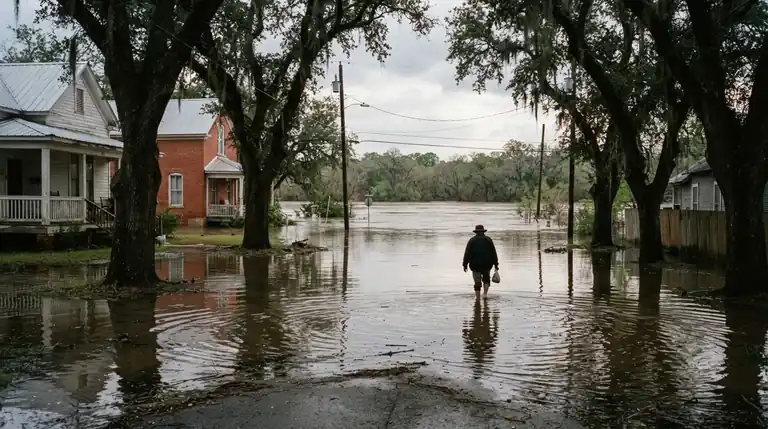
Storm and Flood Cleanup in Richmond, TX: A First Guide
Richmond sits along the Brazos River and Oyster Creek, and a flooded home needs safety checks and the right calls before any cleanup starts.
Who to Call First in RichmondStorm and Flood Cleanup Basics for Richmond Homeowners
Floodwater carries different risks than a clean burst pipe, since it can pick up contamination from streets, yards, and sewer lines on its way into a house. Before any cleanup, confirm it is safe to enter, document the damage, and contact your insurer and the City if the flooding involves a City system.
- Do not enter a flooded home until officials say it is safe, and never wade through moving floodwater.
- Photograph and video rooms, water lines, and affected contents before you move anything, when it is safe to do so.
- Notify your insurer promptly, whether the loss involves a covered water event or a separate flood policy.
- Report a City water-system or sewer problem connected to the storm to Public Works, 281-342-0559.
For the full call order during an active emergency, see the Richmond guide to who to call first.
Safety First After a Storm or Flood
Storm and flood scenes hide hazards that are not obvious from the doorway: electrical risk, structural damage, and contaminated water. Treat any home you cannot fully assess from outside as unsafe until you or an official can confirm otherwise, before anyone goes inside.
- Stay out if there is standing floodwater, a gas odor, visible structural damage, or downed wiring near the house.
- Turn off electricity only if it is safe to reach the panel without touching wet equipment or standing in water.
- Do not run a generator indoors; keep it outdoors and away from windows, doors, and vents.
- Wear protective clothing around contaminated materials, and keep children and anyone with asthma or a weakened immune system away from visible mold.
FEMA's Ready.gov guidance notes that six inches of moving water can knock a person down and one foot of moving water can sweep away a vehicle — treat moving floodwater around your home the same way.
Flood Insurance, NFIP, and TWIA
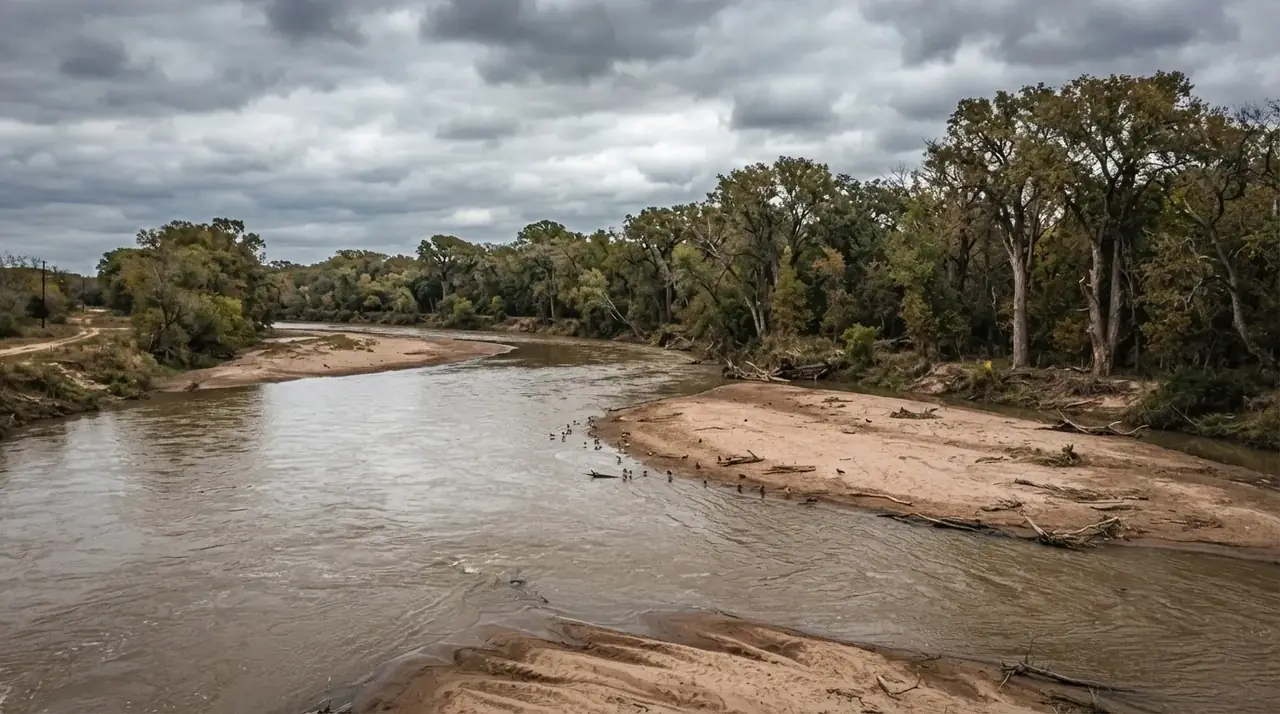
Most standard homeowners policies exclude flood damage, which is why a separate flood policy matters for a Brazos River or Oyster Creek address. The National Flood Insurance Program (NFIP) and the Texas Windstorm Insurance Association (TWIA) cover different things, and neither substitutes for the other. This is general information, not insurance advice.
| Coverage | What It Covers | Limit or Wait | Checked |
|---|---|---|---|
| NFIP building coverage | Damage to the structure itself | Up to $250,000 | September 2026 |
| NFIP contents coverage | Personal belongings inside the home | Up to $100,000 | September 2026 |
| NFIP waiting period | Time before a new policy takes effect | 30 days, with exceptions | September 2026 |
| TWIA | Wind and hail only, not flood or storm surge | Policy-dependent | September 2026 |
TDI's consumer guidance on water damage claims says a sudden and accidental discharge is usually covered under a standard policy, while flood, continuous leakage, and mold, except repair tied to a covered loss, are usually excluded. The 30-day NFIP wait has exceptions, such as a purchase required by a lender or a policy taken out after a flood-map change. FloodSmart's NFIP policy page and the TWIA coverage overview explain how each program works. Your own policy wording controls what actually happens with your claim.
Reporting Storm Damage to the City
If floodwater involves a City water main, sewer line, or drainage problem, Richmond's Public Works Department takes the report, any hour of the day. The City lists its Office of Emergency Management at the same Public Works number for storm-related contact.
- City of Richmond Public Works, 281-342-0559 — for a City water, sewer, or drainage problem connected to the storm.
- City of Richmond Office of Emergency Management, 600 Morton Street, is listed at the same number, 281-342-0559.
- FBC ALERT and InformRichmond Emergency Alert are the City's listed alert systems — register before the next storm season.
Notify your insurer as soon as it is safe, and photograph rooms, water lines, and affected contents before cleanup begins; FEMA guidance says not to discard damaged property until the insurer has had a chance to see it, unless it is a health or safety hazard.
Flood Zones, Permits, and Rebuilding After a Flood
Rebuilding after a flood can trigger permit and floodplain requirements that a routine repair would not. Confirm with the right office before you start work, since the office depends on whether your address sits inside or outside Richmond city limits.
- Inside Richmond city limits, the City's Building Department is the floodplain administrator and issues repair permits, 281-232-6871.
- Outside city limits, the county office for your address, such as the Fort Bend County Engineering Department, handles the same questions.
- Before you rebuild, check your official flood zone on the FEMA Flood Map Service Center rather than relying on where past Brazos River or Oyster Creek flooding reached.
If your home has flooded more than once, ask your insurer and the permitting office what rebuilding requirements apply before you repair the same way twice.
Mold and Contaminated Materials After Flooding
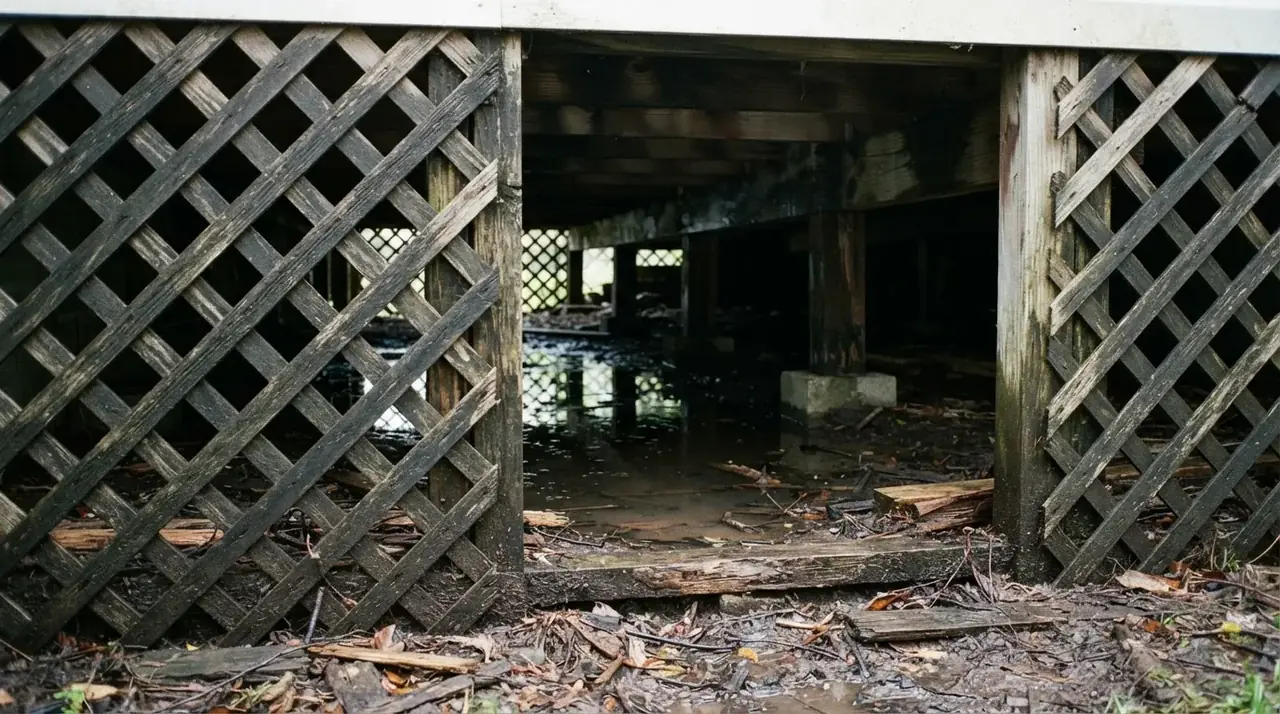
Floodwater can carry contamination that clean supply water does not, so materials that touched floodwater need different handling than materials that only got wet from a clean source. Mold risk rises quickly once materials stay damp, whatever the water source was.
- The EPA's mold guidance and the CDC's mold guidance both publish a 24-48-hour drying target for wet or damp materials to keep mold from taking hold.
- Keep floodwater-contaminated materials separate from the rest of the household, and wear protective clothing while handling them.
- A Texas mold remediation license is required once a project's mold covers 25 contiguous square feet or more; a homeowner may work on their own residential property without one.
For more on burst-pipe mold risk and licensing specifics, see the Richmond burst pipe guide.
If That Did Not Work
If a call does not connect during a storm, you have other options. City lines, providers, and insurers all take more calls than usual during a widespread event, and a first missed connection does not mean the end of the road.
- Try again on the same number, City of Richmond Public Works, 281-342-0559.
- Try another verified route — your insurer's claims line, or the emergency number on your water bill if a MUD serves your address.
- For an active danger to life or property, call 911; for a slow or unresponsive insurer, contact the Texas Department of Insurance consumer help line, 800-252-3439.
For the complete picture from the first call through insurance and mold, see the Richmond water damage help homepage.
Frequently Asked Questions
Does homeowners insurance cover flooding from the Brazos River or Oyster Creek?
How much does NFIP flood coverage provide?
How long is the NFIP waiting period before coverage starts?
Is flood damage in Richmond covered by TWIA?
How much does storm and flood cleanup cost in Richmond?
What should I do with floodwater-contaminated materials?
Water in your home right now?
See who to call first in Richmond, how to reach your water provider, and how to check your flood zone.
Who to Call First in Richmond